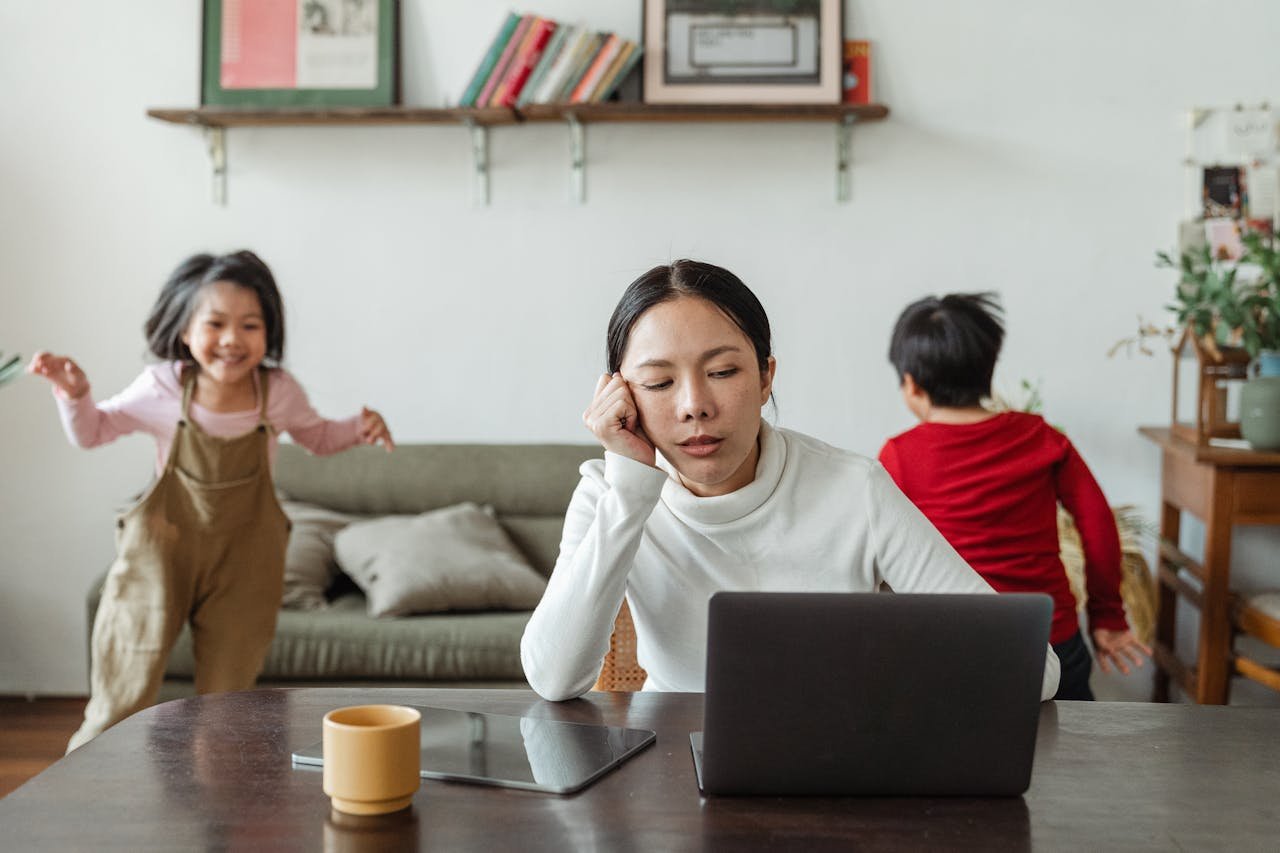
Two kids, one toy, and suddenly the kitchen sounds like a courtroom. Some bickering is normal. Daily fights that leave someone in tears are not.
Unchecked rivalry can dent self-esteem and fuel anxiety. The goal is not zero conflict but teaching siblings to repair, share attention fairly, and build skills you also cover in emotional intelligence coaching. This guide explains causes, warning signs, and what to try before calling a therapist.
What sibling rivalry is (and when it is normal)
Sibling rivalry is ongoing competition for status, toys, or parental attention.
Over 70% of children report rivalrous behaviors with siblings. It often starts around ages 2–4 and peaks near 7–11.
Common drivers:
- Perceived favoritism or unequal attention
- Clashing personalities
- New baby, school transitions, puberty
- Different strengths (grades, sports) breeding jealousy
- Power struggles between close-aged siblings
Some conflict is developmental. Daily aggression or deep distress needs intervention.
How chronic rivalry affects mental health
Self-esteem
Constant comparison can make a child feel "less than" and avoid challenges.
Anxiety
Hostility at home raises worry about fairness and future fights.
Emotional skills
Hurtful words and physical fights can slow emotional development and teach aggressive coping.
Long-term risk
Without support, rivalry can feed lasting anger issues and relationship conflict.
Signs rivalry has crossed into unhealthy territory
- Constant insults or screaming over small issues
- Frequent physical fights beyond rough play
- One child sabotaging the other's activities
- Prolonged sadness, isolation, or depression after fights
- Extreme competition in every domain
- Parents mediating every minor dispute
- Almost no positive time together
Mediating conflicts without picking sides
Teach listening, compromise, and cooling off before talking.
Set clear rules: no hitting, no cruel names, no tattling for sport. Consequences apply only to the child who broke the rule.
Stay neutral. Separate heated siblings, then guide them to resolve the issue together.
Conflict skills take months. Repeat the process calmly.
Building positive sibling bonds
Shared responsibilities
Joint chores, pet care, or baking teach teamwork.
Celebrate individuality
One-on-one time with each child. Praise unique strengths instead of comparing.
Shared fun
Games, sports, trips, and hobbies they both enjoy create cooperative memories.
Parenting habits that lower rivalry long term
- Enforce rules and rewards fairly
- Schedule regular solo time with each child
- Involve kids in setting family rules
- Praise cooperation more than you criticize fights
- Let them solve small squabbles alone when safe
- Hold short family meetings to air grievances
When to book family therapy
Seek help for physical violence, self-harm talk, hatred between siblings, or daily family disruption.
Therapists may use individual counseling, family sessions, parenting coaching, play therapy, or CBT to change comparison thinking.
Strengthening the wider family culture
Weekly family meetings, shared rituals (game night, special songs), and open affection reduce rivalry over time.
Start with one family rule
Pick one change this week: equal one-on-one time with each child, a shared chore they do together, or a calm mediation script for fights. Log whether intensity drops over ten days.
If there is physical harm, self-harm talk, or daily distress, book a family therapist through psychologists in Singapore. Support siblings' sleep and stress with healthy sleep habits and exam stress tools when school pressure fuels competition.